
History of IIEE
From a Swiss–Pakistani cooperation agreement in 1985 to Pakistan’s first industrial electronics degree — and the institute that still teaches by building.
1985
Swiss study mission invited to Pakistan
1988
Institute established through PCSIR
1989
First class begins; NED affiliation follows
1993
Affiliation formally granted by NED UET
Why IIEE was created
IIEE exists because Pakistan needed engineers who could build and maintain the electronics its industry runs on — not only engineers who could study them.
In 1985 the Government of Pakistan invited a study mission of Swiss experts. Its finding was specific: the country needed practically trained industrial electronics engineers. The Swiss Government offered to establish an institute, and a cooperation agreement was signed.
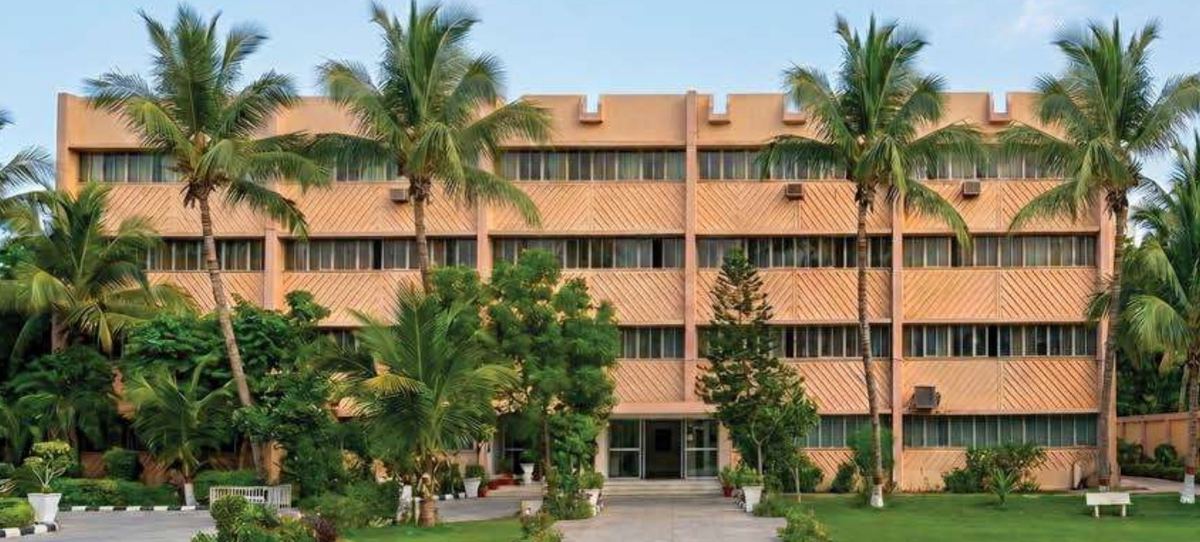
A Swiss foundation, Swiss Contact, came forward to support the project. The Ministry of Science and Technology, through PCSIR, provided the building and infrastructure at Block-6, Gulshan-e-Iqbal. The Swiss Government and Swiss Contact supplied the laboratory equipment and three experts, while PCSIR recruited the faculty.
How the first class began
The curriculum and training programme were developed jointly by Project Director Syed Sadiq Ali Rizvi and the Swiss experts, then presented on 12 January 1989 to the Academic Council and Affiliation Committee of NED University.
After inspection and minor adjustments, NED granted affiliation and approved the B.E. degree course in Industrial Electronic Engineering. The first class started in June 1989 with an annual intake of 40 students — a number that has since grown to 50.
Milestones
- 1985 — A Swiss study mission identifies the need for practice-oriented industrial electronics engineers.
- 1988 — IIEE is established under PCSIR, with Swiss support for laboratories and teaching.
- January 1989 — The curriculum is presented to NED University for affiliation.
- June 1989 — The first batch of 40 students begins classes.
- 1993 — NED University formally grants affiliation; degrees are awarded by NED UET.
- Today — More than three decades of graduates and two degree programmes: Industrial Electronics and Computer Systems Engineering.
See where it happens
The history is easiest to read in the laboratories, where students still work on the same problems industry brings through the door.